SpaceX Launch Schedule: Real-Time Updates and Mission Details
SpaceX, the innovative space exploration company founded by Elon Musk, has revolutionized the industry with its reusable rockets and ambitious goals. Keeping track of SpaceX's numerous launches, from Starlink satellites to crewed missions, can be a challenge. This article provides a comprehensive overview of the SpaceX launch schedule, offering real-time updates, mission details, and valuable insights for space enthusiasts and anyone interested in the future of space travel. Whether you're a seasoned follower or new to the world of spaceflight, this guide will help you stay informed about the latest SpaceX activities.
Understanding the SpaceX Launch Landscape
SpaceX operates a dynamic launch schedule, with missions planned across several launch sites and for a variety of purposes. The company's primary launch vehicles include the Falcon 9, Falcon Heavy, and the Starship, each designed for different payloads and mission profiles. Falcon 9, a workhorse of the SpaceX fleet, is frequently used for launching Starlink satellites, commercial payloads, and crewed missions to the International Space Station (ISS). The Falcon Heavy, with its immense lifting capacity, is capable of carrying heavier payloads, including large satellites and deep-space missions. Starship, SpaceX's next-generation fully reusable launch system, promises to revolutionize space travel, enabling missions to the Moon, Mars, and beyond.
SpaceX launches from several locations, including:
- Cape Canaveral Space Force Station (CCSFS), Florida: A key launch site for Falcon 9 and Falcon Heavy rockets, offering excellent viewing opportunities for those in the surrounding areas.
- Kennedy Space Center (KSC), Florida: Adjacent to CCSFS, KSC is another major launch hub, particularly for crewed missions and large payloads.
- Vandenberg Space Force Base (VSFB), California: Located on the West Coast, VSFB is used for launches into polar and sun-synchronous orbits, often carrying satellites for government and commercial clients.
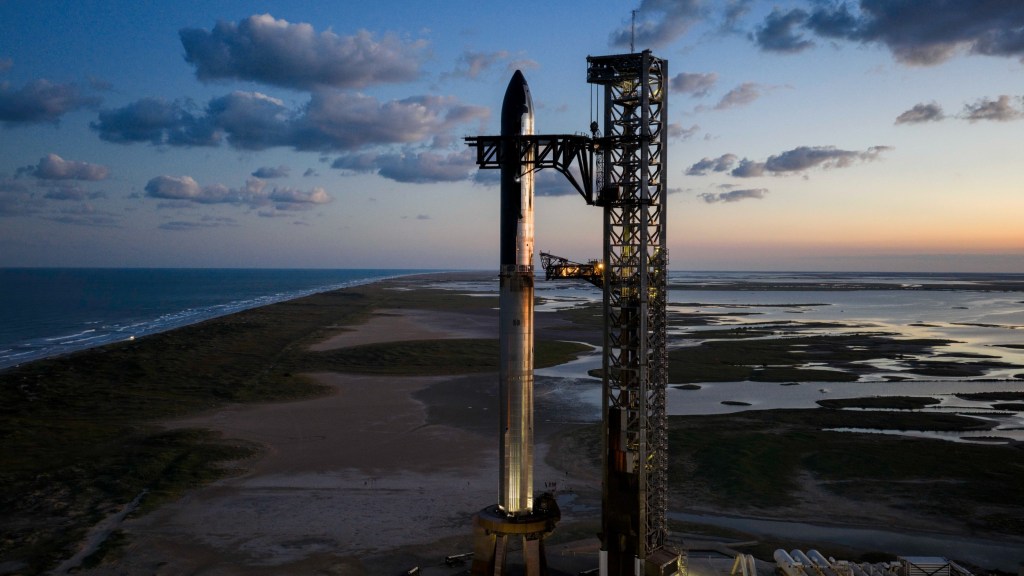
- Starbase, Texas: SpaceX's private launch site in Boca Chica, Texas, is primarily used for Starship development and testing.
Staying informed about the specific launch site is crucial, as it impacts viewing opportunities, potential launch delays, and the trajectory of the rocket. For a deeper dive, read our article: Upcoming SpaceX Launches: Dates, Sites, and Mission Objectives.
Deciphering Launch Schedules and Mission Objectives
SpaceX's launch schedule is subject to change due to various factors, including weather conditions, technical issues, and payload readiness. Launch windows, which are the specific times when a rocket can launch, are often narrow, and delays can occur. Therefore, it's essential to stay updated with real-time information.
Each SpaceX mission has a specific objective, which can range from deploying Starlink satellites for internet connectivity to delivering cargo or crew to the ISS. Other missions include launching scientific payloads, national security satellites, and commercial payloads for various customers. Understanding the mission objective provides context for the launch and allows you to appreciate the significance of the endeavor.
The information typically available for each launch includes:
- Launch Date and Time: Provided in UTC (Coordinated Universal Time) and often converted to your local time zone.
- Launch Site: The specific location from which the rocket will launch.
- Vehicle: The type of rocket being used (e.g., Falcon 9, Falcon Heavy, Starship).
- Payload: The cargo the rocket is carrying (e.g., Starlink satellites, crew, scientific instruments).
- Mission Profile: A description of the mission, including the rocket's trajectory and the deployment of the payload.
- Live Stream: Many launches are streamed live online, allowing you to watch the event in real-time.
Real-Time Updates and Resources for Tracking Launches
Tracking SpaceX launches requires access to reliable and up-to-date information. Several resources provide real-time updates, launch schedules, and mission details. These resources often include:
- Official SpaceX Website: The official SpaceX website is a primary source of information, including launch announcements, mission updates, and live streams.
- SpaceX Social Media: SpaceX's social media channels (Twitter, Facebook, etc.) provide real-time updates, launch announcements, and behind-the-scenes content.
- Space Launch Tracking Websites: Numerous websites specialize in tracking rocket launches, providing detailed schedules, launch countdowns, and real-time updates. These sites often aggregate information from various sources.
- Spaceflight News Websites: Many spaceflight news websites offer comprehensive coverage of SpaceX launches, including news articles, analysis, and live updates.
Tips for Staying Informed:
- Subscribe to Newsletters and Alerts: Sign up for email newsletters and set up alerts to receive notifications about upcoming launches and changes to the schedule.
- Follow Social Media: Follow SpaceX and other space-related accounts on social media for real-time updates and announcements.
- Use Launch Tracking Apps: Download mobile apps that provide launch schedules, countdown timers, and real-time updates.
- Check Multiple Sources: Cross-reference information from different sources to ensure accuracy and stay informed about any potential changes.
For an even more in-depth exploration of launch tracking, consult our guide: Track SpaceX Launches: A Comprehensive Guide for Space Enthusiasts.
Understanding Mission Profiles and Landing Attempts
A critical aspect of SpaceX launches is the mission profile, which outlines the rocket's trajectory, payload deployment, and, for Falcon 9, the landing attempt of the first stage booster. The mission profile varies depending on the payload, the orbit required, and the launch site.
Falcon 9 Landing Attempts:
One of SpaceX's signature achievements is the ability to land and reuse its first-stage boosters. This dramatically reduces the cost of space travel. The landing attempt is a critical part of the mission profile, and the booster may land on a designated landing zone on land or on a drone ship in the ocean.
Mission Profile Considerations:
- Orbital Insertion: The process of placing the payload into the desired orbit.
- Payload Deployment: The release of the payload (e.g., satellites, spacecraft) into orbit.
- Booster Landing: The attempt to land the first-stage booster for reuse.
- Trajectory Data: Information on the rocket's flight path, including altitude, velocity, and position.
The Future of SpaceX and its Launch Schedule
SpaceX continues to push the boundaries of space exploration, with an ambitious launch schedule planned for the coming years. The company's primary focus is on expanding its Starlink constellation, developing and testing Starship, and supporting crewed missions to the ISS and beyond.
Key Upcoming Missions:
- Continued Starlink Deployments: SpaceX will continue to launch Starlink satellites to expand its global internet coverage.
- Commercial Crew Program Missions: SpaceX will continue to launch crewed missions to the ISS for NASA and commercial clients.
- Starship Development and Testing: SpaceX will continue to develop and test Starship, with the goal of enabling missions to the Moon and Mars.
- Deep Space Missions: SpaceX is planning missions to the Moon and Mars, potentially in collaboration with NASA and other space agencies.
Impact of Starship:
The development of Starship is a game-changer for SpaceX and the space industry. Starship is designed to be fully reusable, capable of carrying large payloads, and able to transport crew and cargo to the Moon, Mars, and beyond. Its successful development will dramatically reduce the cost of space travel and open up new possibilities for exploration and settlement.
As SpaceX continues to evolve, its launch schedule will become even more dynamic. Stay informed by following the resources mentioned earlier, and be prepared for exciting developments in the world of space exploration.