Track SpaceX Launches: A Comprehensive Guide for Space Enthusiasts
Space exploration has captured the human imagination for generations. Today, thanks to companies like SpaceX, the dream of affordable and accessible space travel is becoming a reality. For space enthusiasts, staying informed about SpaceX launches is paramount. This guide provides a comprehensive overview of how to track SpaceX launches, ensuring you don't miss a single moment of this historic era. From understanding the launch schedule to accessing live streams and analyzing mission details, we'll cover everything you need to know to stay connected with the final frontier.
Understanding the SpaceX Launch Landscape
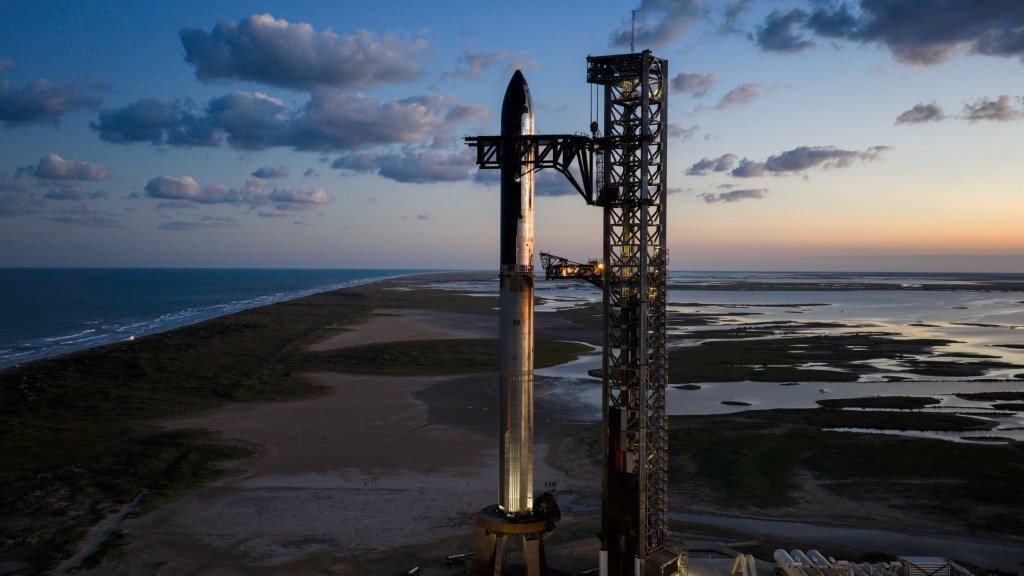
SpaceX, under the visionary leadership of Elon Musk, has revolutionized the space industry. Their reusable Falcon 9 rockets and the development of the Starship, the most powerful rocket ever built, are pivotal. SpaceX's missions range from launching satellites for the Starlink constellation to providing crucial cargo and crew transport to the International Space Station (ISS). They also work with various commercial and governmental entities, making their launch manifest diverse and dynamic.
Staying updated on SpaceX launches involves understanding the different types of missions. These include:
- Starlink Missions: Deploying satellites for SpaceX's global internet service. These are frequent and critical for the company's revenue.
- Commercial Resupply Services (CRS): Delivering cargo to the ISS for NASA.
- Crew Missions: Transporting astronauts to and from the ISS.
- Commercial/International Missions: Launching payloads for various international clients.
- National Security Missions: Supporting government and military space programs.
- Starship Flight Tests: Testing the capabilities of the Starship, which will be instrumental in future lunar and Martian missions.
The frequency of SpaceX launches has increased dramatically in recent years. To keep up, you need a reliable source of information. That's where a dedicated SpaceX Launch Schedule: Real-Time Updates and Mission Details comes in handy, offering real-time updates and comprehensive mission profiles.
Essential Tools for Tracking Launches
Tracking SpaceX launches effectively requires using various tools and resources. Here's a breakdown of the most important ones:
- Official SpaceX Website: SpaceX's website is the primary source for official announcements. They provide launch dates, times, and mission details. Check the news section and the mission pages for the most accurate information.
- SpaceX Launch Trackers: Numerous websites and apps specialize in tracking launches. These platforms aggregate data from various sources, providing real-time updates, countdown timers, and live streams. They often include features such as timezone conversion, weather forecasts, and interactive maps.
- Social Media: Follow SpaceX's official social media accounts (Twitter/X, Facebook, YouTube) for the latest news and updates. SpaceX often live streams launches on their YouTube channel.
- Spaceflight Now: A popular website that provides detailed launch schedules, mission information, and live coverage.
- Reddit: Subreddits like r/SpaceX are excellent sources for discussions, community updates, and links to live streams. The community is very active and often provides up-to-the-minute information.
- Space Launch Schedule Websites: These sites are dedicated to providing comprehensive and up-to-date information on all launches, including SpaceX. They often have detailed mission profiles, launch viewing guides, and analysis.
Tip: Create a personalized notification system. Set up alerts on your phone or computer to receive launch updates and countdown reminders. This ensures you don't miss any critical information.
Decoding Launch Information: What to Look For
When tracking SpaceX launches, it’s essential to understand the key information presented. Here's a guide to interpreting the data:
- Launch Date and Time: Pay close attention to the launch window. Launch times are often given as a window of opportunity, allowing for flexibility due to weather conditions or technical issues. Also, ensure you convert the time to your local timezone.
- Launch Site: SpaceX primarily launches from Cape Canaveral Space Force Station (CCSFS) in Florida and Vandenberg Space Force Base (VSFB) in California. Starship launches will originate from Starbase in Texas. Knowing the launch site allows you to find potential viewing locations and understand the trajectory.
- Vehicle and Booster: Note the rocket being used (Falcon 9, Falcon Heavy, or Starship). Also, pay attention to the booster number, as SpaceX reuses boosters, and their history adds to the story of each launch.
- Mission Objectives: Understand what the mission aims to achieve. Is it deploying satellites, resupplying the ISS, or conducting a test flight? This information provides context.
- Payload: Know what is being carried into space. This could be satellites, cargo, or crew.
- Landing/Recovery: For Falcon 9 launches, note the landing site (droneship in the ocean or landing zone on land). This is a critical aspect of SpaceX's reusability strategy.
- Weather Forecast: Weather conditions can significantly impact a launch. Pay attention to the weather forecast for the launch site.
- Trajectory Data: Many trackers provide data on the launch trajectory, which can be useful for predicting where the rocket will be visible from the ground.
Understanding these elements will transform your viewing experience from passive observation to active engagement.
Maximizing Your Launch Viewing Experience
Watching a SpaceX launch is a thrilling experience. Here are some tips to maximize your enjoyment:
- Choose a Viewing Location: If you're near a launch site, research prime viewing locations. Websites and social media groups often provide recommendations. Consider factors like distance, visibility, and accessibility.
- Live Streams: If you cannot be at the launch site, watch the live stream. SpaceX usually provides high-quality streams on its YouTube channel, often with commentary and analysis.
- Photography and Videography: If you’re a photographer or videographer, research the best camera settings and equipment for capturing the launch. Consider the distance, lighting conditions, and the rocket's trajectory.
- Prepare for Delays: Launch schedules can change. Be prepared for potential delays due to weather, technical issues, or other factors.
- Join the Community: Engage with the space community online. Share your experiences, ask questions, and learn from others.
- Consider a Paid Subscription: Some launch trackers and websites offer ad-free experiences and additional features for paid subscribers. This can enhance your experience. Consider supporting the platforms that bring you the most value.
For a deeper dive into upcoming launches and their specific objectives, consult our Upcoming SpaceX Launches: Dates, Sites, and Mission Objectives guide.
The Future of Space Exploration and SpaceX Launches
SpaceX's mission extends far beyond Earth orbit. Their long-term goals include establishing a permanent presence on Mars and enabling widespread space travel. This vision drives their continued innovation and the development of new technologies. The Starship is the cornerstone of this future, designed to carry humans and cargo to the Moon, Mars, and beyond.
As SpaceX continues to push the boundaries of space exploration, the frequency and complexity of their launches will only increase. Staying informed and engaged with the launch schedule and mission details will be more important than ever. By utilizing the tools and strategies outlined in this guide, space enthusiasts can stay connected and witness this exciting era in human history. The future of space exploration is bright, and SpaceX is leading the way.
In conclusion, tracking SpaceX launches is an engaging and rewarding experience. By utilizing the resources and strategies outlined in this guide, you can stay informed, witness history in the making, and share the excitement of space exploration with others. Whether you're a seasoned space enthusiast or a newcomer to the field, there's never been a better time to follow SpaceX's journey to the stars.